🔬 1️⃣ Strong Nuclear Force & Faith Cohesion (Physics-Social Parallel) 🔹 Goal: Understand the binding nature of the strong nuclear force and test if spiritual unity behaves similarly. 🛠 Research Questions: How does the strong nuclear force mathematically describe binding energy? Can we model faith-based cohesion using similar equations? Are there real-world social dynamics that behave like nuclear bonding (e.g., group resilience under stress, cult dynamics, military unit cohesion)? What are examples of communities that exhibit high vs. low spiritual binding energy? 📚 Research Sources: ✅ Nuclear Physics → Strong nuclear force, quark-gluon plasma, binding energy equations. ✅ Sociology/Psychology → Social cohesion, group resilience, conflict dynamics, attachment theory. ✅ Religious Studies → Theological perspectives on covenant, ecclesiology, faith-based unity
Share
The Physics of Binding: Strong Nuclear Force and Faith Cohesion
The conceptual parallels between physical forces that bind atomic particles and social forces that unite human communities represent a fascinating interdisciplinary exploration. This report examines the mathematical and conceptual frameworks of the strong nuclear force alongside patterns of social and religious cohesion, testing whether spiritual unity might follow similar binding principles as those observed in nuclear physics. By analyzing binding energy equations in physics and their potential applications to social group dynamics, we can develop deeper insights into both domains and potentially discover universal principles of cohesion that transcend disciplinary boundaries.
The Strong Nuclear Force: Fundamental Physics of Binding
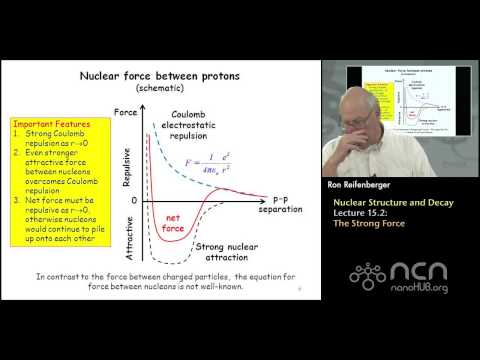
The strong nuclear force represents one of nature’s most powerful binding mechanisms, acting as the fundamental interaction that confines quarks into protons, neutrons, and other hadron particles. This remarkable force also binds neutrons and protons together to create atomic nuclei, where it is specifically referred to as the nuclear force or residual strong force1. At distances of approximately 10^-15 meters (roughly the radius of a nucleon), the strong force demonstrates extraordinary power, being approximately 100 times stronger than electromagnetism, 10^6 times stronger than the weak interaction, and an astonishing 10^38 times stronger than gravitation1. This immense strength explains why atomic nuclei remain intact despite the repulsive electromagnetic forces between positively charged protons.
The binding energy of nuclei represents a quantifiable measure of the strong force’s effectiveness. Scientists calculate this binding energy through a two-step process. First, they determine the mass defect (Δm) using the equation: Δm = (Z(1.00727647) + N(1.00866490)) - m_nucleus, where Z represents the number of protons and N represents the number of neutrons2. Second, they calculate the binding energy per nucleon using: ΔE = 931(Δm)/A, where A equals the total number of nucleons2. This calculation reveals significant variations in binding energy across different elements, which explains why some atomic nuclei demonstrate greater stability than others. For example, helium-4 exhibits a binding energy per nucleon of approximately 6.815 MeV, making it exceptionally stable compared to many other isotopes2.
The strong force presents interesting distance-dependent behaviors that contribute to its distinctive binding characteristics. When acting between quarks within hadrons, the force increases with distance—unlike gravity or electromagnetism which diminish with distance. However, between nucleons in an atomic nucleus, the residual strong force manifests differently, mediated by massive, short-lived mesons that create a more complex distance relationship1. This multi-faceted behavior produces the varied nuclear binding energies observed across the periodic table and explains why only certain configurations of protons and neutrons form stable nuclei.
Quark-Gluon Plasma: Matter at Its Most Fundamental
Under extreme conditions of temperature and pressure, quarks and gluons can transition into a state called quark-gluon plasma (QGP), where they no longer remain confined within hadrons but move as nearly free particles while maintaining interactions3. This extraordinary state of matter emerges at temperatures of approximately 150-160 MeV (the Hagedorn temperature) and energy densities of around 0.4-1 GeV/fm^33. Physicists believe the entire universe existed in this state shortly after the Big Bang, before cooling sufficiently to allow quarks and gluons to become confined within hadrons3.
The formation of quark-gluon plasma represents a phase transformation somewhat similar to the ionization of normal matter into electron plasma, though the underlying physics differs significantly3. This transformation highlights a fundamental principle relevant to our cross-disciplinary exploration: even the strongest binding forces in nature can be overcome under certain conditions, leading to new states with different properties and behaviors. The study of QGP reveals how energy inputs can fundamentally transform bound systems, potentially offering insights applicable to social systems undergoing dramatic changes.
Social and Faith-Based Cohesion: The Human Binding Force
Just as the strong nuclear force binds fundamental particles, social cohesion represents the “binding force” that holds human communities together. While the analogy cannot be perfect—human systems involve consciousness, choice, and complexity beyond physical forces—the parallel proves conceptually valuable. Social cohesion manifests as the willingness of members to cooperate, share resources, and maintain group integrity even under external pressures. This cohesion appears particularly evident in religious organizations and communities responding to crises.
The Japanese response to the 2011 earthquake and tsunami disaster provides a compelling example of social cohesion under extreme pressure. Following this catastrophic event, people throughout Japan demonstrated remarkable solidarity, with many volunteers gathering in affected areas, sending relief goods to suffering individuals, and collectively participating in energy conservation efforts4. These actions made “an enormous contribution to Japan’s ability to recover from the crisis immediately after the earthquake”4. The documentation of this response specifically notes that “human bonds can be the power for overcoming the current sustainability crisis”4. This case illustrates how external threats can actually strengthen social binding rather than fracturing it—a phenomenon that might parallel certain nuclear reactions where external energy can result in more stable configurations.
Religious Organizations as Cohesive Systems
Religious organizations provide particularly structured examples of social cohesion. Research into these communities reveals that members of religious organizations tend to share similar beliefs, cooperate with one another, and experience greater cooperation from the broader society than non-members5. This enhanced cooperation creates distinctive boundaries between members and non-members, somewhat analogous to the boundaries between nuclear particles and their surrounding environment.
Theoretical models distinguish between “cohesive religions” and “non-cohesive religions” based on their internal cooperation patterns. In cohesive religions, all members cooperate internally, sharing beliefs that negative consequences (conceptualized as “punishment”) are more likely to follow defection than cooperation5. These belief systems effectively establish internal “binding rules” that maintain group integrity. Notably, cohesive religions generally maintain smaller membership sizes while imposing more demanding ritual requirements on their members5. This observation suggests an inverse relationship between group size and cohesive strength that may parallel certain aspects of nuclear stability, where specific size limitations apply to maintain binding integrity.
The maintenance of religious cohesion appears linked to costly, observable activities that function as social rituals5. These rituals serve identification purposes, allowing group members to recognize one another and establish boundaries. The research notes that the cost of these rituals cannot be too high (which would discourage participation) nor too low (which would allow “infiltration” by those who might defect against members)5. This careful balance parallels the delicate energy equilibrium that maintains nuclear stability, where neither too much nor too little binding energy creates optimal conditions.
Modeling Faith Cohesion Through Nuclear Physics Principles
Considering the parallels between nuclear binding and social cohesion, we can explore whether mathematical frameworks similar to those used in nuclear physics might meaningfully model faith-based cohesion. While human systems involve far greater complexity than atomic nuclei, the binding energy concept offers a promising conceptual framework for quantifying social cohesion.
In nuclear physics, binding energy per nucleon (ΔE = 931(Δm)/A) measures how tightly bound each particle is within the nucleus2. By analogy, we might conceptualize “social binding energy” as the strength of attachment each individual feels toward their community, measured through their willingness to sacrifice personal interests for group welfare. Just as nuclear binding energy represents the energy required to remove a nucleon from the nucleus, social binding energy might represent the psychological, social, and material “costs” an individual would accept before leaving their community.
The variables in such a model would necessarily differ from those in nuclear equations but might include:
-
Strength of shared beliefs (analogous to the strong force itself)
-
Investment in community rituals (similar to energy states within the nucleus)
-
Experience of cooperation versus defection (reflecting interaction histories)
-
External pressures faced by the community (comparable to environmental forces acting on nuclei)
The resultant equation might take a form like: Social Binding Energy = (Shared Belief Strength × Ritual Investment) / (Group Size × Internal Conflict), reflecting how binding strength increases with shared beliefs and ritual participation but potentially decreases with larger group sizes and internal conflicts. This speculative model offers a starting point for quantitative exploration, though it would require substantial refinement through empirical testing.
Dynamic Responses to External Conditions
Both nuclear and social systems demonstrate dynamic responses to changing external conditions. Research suggests that religious organizations may decrease in size following widespread positive utility shocks but potentially increase following negative shocks5. This dynamic resembles how atomic nuclei respond to energy inputs—certain inputs cause nuclei to become more tightly bound, while others lead to fission or other transformations. The Japanese experience following the earthquake and tsunami demonstrates how negative shocks can strengthen social bonds as communities unite against common threats4.
The evolutionary trajectory of cohesive groups presents another parallel with nuclear systems. Both systems exhibit long-term changes in response to their environments while maintaining core binding mechanisms. Research suggests that religious organizations evolve as individuals update their beliefs based on personal experiences5. Similarly, atomic nuclei can undergo transformations through nuclear reactions while still operating according to the fundamental principles of the strong force. In both domains, underlying binding mechanisms remain constant even as specific manifestations change over time.
High Versus Low Social Binding Energy Systems
Different communities exhibit varying levels of what we might call “social binding energy,” allowing us to classify them along a spectrum from highly cohesive to weakly bound. Cohesive religious groups, particularly those with demanding ritual requirements and strong shared beliefs, exemplify high binding energy systems5. These groups typically maintain smaller membership sizes but demonstrate remarkable resilience against external pressures and internal conflicts. This pattern parallels certain elements in the periodic table that exhibit exceptionally high binding energy per nucleon, such as iron-56 and nickel-62, which represent peaks of nuclear stability.
Communities responding to disasters, such as the Japanese society after the 2011 earthquake and tsunami, temporarily develop extraordinarily high social binding energy4. During these crisis periods, the normal boundaries and divisions within society may temporarily dissolve as people unite around common survival needs. This phenomenon resembles how certain nuclear configurations become more stable under specific external conditions. The temporary nature of crisis-induced cohesion, however, highlights an important distinction from nuclear systems—social binding energy can fluctuate dramatically over short time periods in response to contextual factors.
Low binding energy social systems include loosely affiliated groups with minimal shared beliefs, limited ritual practices, and few cooperation requirements. Such groups might include casual interest clubs, commercial organizations with high turnover, or online communities with minimal entry barriers. These groups parallel unstable isotopes with low binding energy, which readily decompose into more stable configurations. Without sufficient “social binding force,” these communities struggle to maintain coherence when faced with external pressures or internal conflicts.
Theoretical Limitations and Future Research Directions
While the parallels between nuclear binding and social cohesion offer intriguing conceptual frameworks, significant limitations constrain direct mathematical modeling. Human systems involve conscious decision-making, complex motivations, and contextual factors that nuclear particles do not possess. Additionally, while nuclear forces operate according to consistent physical laws, social forces remain highly variable across cultures, contexts, and historical periods. These differences necessitate caution when applying physics-based models to social phenomena.
Future research might productively explore several directions. First, empirical studies could test whether communities with higher measured social cohesion (through surveys and behavioral observations) also demonstrate greater resilience against external pressures—a pattern that would parallel nuclear stability. Second, mathematical models incorporating both physics-inspired equations and social science variables could be developed and tested against real-world data. Third, cross-cultural studies might reveal whether certain aspects of social binding transcend cultural contexts, potentially indicating universal principles comparable to the universal nature of the strong force.
Conclusion
The exploration of parallels between the strong nuclear force and faith-based cohesion reveals both illuminating similarities and important distinctions. Both systems demonstrate binding mechanisms that unite constituent elements against forces that would otherwise separate them. Both exhibit optimal configurations related to size, internal composition, and energy states. Both respond dynamically to external conditions, sometimes strengthening under pressure and other times fracturing when certain thresholds are exceeded.
Understanding these parallels enriches our comprehension of both domains. From physics, we gain conceptual frameworks and mathematical approaches that might help quantify social phenomena previously described only qualitatively. From social systems, particularly religious organizations, we observe complex emergent behaviors that might inspire new questions about complex physical systems. While perfect mathematical modeling of social cohesion through nuclear physics equations remains aspirational rather than fully achievable, the conceptual bridges between these domains open promising avenues for interdisciplinary research and theoretical development.
The binding forces that hold our physical world together and those that unite our human communities may differ in fundamental ways, yet they share enough conceptual similarities to suggest that certain principles of cohesion might transcend the boundaries between physical and social sciences. By continuing to explore these connections, we deepen our understanding of both the atoms that compose our universe and the social bonds that define our humanity.
⚛️ 2️⃣ Quantum Entanglement & Faith Synchronization (Spiritual-Quantum Linkage) 🔹 Goal: Explore if quantum entanglement principles can explain faith-based non-local connections. 🛠 Research Questions: Can entangled systems share correlated information instantaneously across distance? Is there existing research on EEG/HRV synchronization in meditation, prayer, or shared consciousness states? Have experiments detected non-local decision-making patterns in faith communities? 📚 Research Sources: ✅ Quantum Physics → Quantum entanglement, Bell’s theorem, non-locality. ✅ Neuroscience → EEG synchronization, heart rate variability (HRV) in prayer/meditation. ✅ Psychology → Telepathy research, collective consciousness, social coherence experiments. ✅ Theology → Mystical union, shared prayer experiences, religious encounters of unity.
Quantum Entanglement and Faith Synchronization: Exploring Non-Local Connections in Spiritual Experience
Quantum entanglement, a fundamental phenomenon in quantum physics where particles become correlated in ways that transcend classical understanding, has increasingly captured the imagination of spiritual thinkers and researchers exploring the nature of consciousness and faith-based connections. This report examines the emerging interdisciplinary research exploring whether quantum entanglement principles might help explain non-local connections observed in spiritual practices, meditation, and prayer. The investigation reveals compelling evidence for physiological synchronization during spiritual states, patterns of collective consciousness, and theoretical frameworks that attempt to bridge quantum physics with spiritual experience. While direct evidence of quantum effects in human spirituality remains limited, the parallels between quantum non-locality and spiritual connectivity offer intriguing possibilities for understanding the nature of human consciousness and religious experience.
The Nature of Quantum Entanglement
Quantum entanglement represents one of the most profound phenomena in quantum physics—a state where particles become so deeply connected that their quantum states remain correlated regardless of distance. When entangled particles are separated by inches or light-years, changes to one particle instantaneously affect its entangled partner. This peculiar behavior led Einstein to famously describe it as “spooky action at a distance.” Despite appearing to transmit information faster than light, quantum entanglement doesn’t actually violate relativistic principles because there’s no “movement” through space in the conventional sense7. The measurement of one particle’s quantum state determines the possible quantum states of other entangled particles, creating a connection that transcends our common understanding of spatial relationships.
The quantum entanglement phenomenon has profound implications for our understanding of reality. It suggests that once connected, particles maintain a relationship that defies conventional explanations of causality and locality. This principle of non-locality—where distance becomes irrelevant to the relationship between particles—has sparked considerable interest among spiritual thinkers who see parallels with various religious and mystical concepts of non-local connection between individuals and the divine.
Spiritual Interpretations of Quantum Concepts
Spiritual thinkers have found the principles of quantum entanglement particularly resonant with religious concepts of divine connection. From a Christian perspective, quantum entanglement has been viewed as a scientific analogy for the spiritual connection between believers and Christ. Just as entangled particles exist in correlation regardless of spatial separation, some Christian thinkers suggest that believers are “entangled” with Jesus, simultaneously existing in their earthly state while also being spiritually connected to the divine1. This interpretation suggests that, like quantum particles, Christians are “in two places at once”—physically present on earth yet spiritually united with Christ in a heavenly realm.
This perspective draws on biblical passages suggesting believers have “died” and their “life is hidden with Christ in God,” representing a type of spiritual entanglement where the believer’s state is correlated with Christ’s regardless of physical separation1. The concept suggests that just as quantum entanglement allows instantaneous correlation between particles, spiritual entanglement might facilitate immediate connection with the divine, unimpeded by physical constraints or distance.
Physiological Synchronization in Meditation and Prayer
Scientific research has increasingly documented measurable physiological synchronization occurring during meditation and prayer practices. One notable study examined heart-brain synchronization during heartfulness meditation, revealing distinct patterns of rhythmic coordination between cardiac and neural activity. The research involved three groups: long-term meditators, short-term meditators, and non-meditators, measuring their electroencephalogram (EEG) signals for prefrontal brain activity and electrocardiogram (ECG) signals for cardiac activity2.
The findings revealed that detrended fluctuation analysis (DFA) values of both EEG and ECG declined during meditation and transmission states compared to pre-meditation and post-meditation states. Significantly, long-term meditators showed positive correlations between heart and brain DFA values, while short-term and non-meditators showed no significant correlations2. This evidence suggests that regular meditation practice may facilitate physiological synchrony between cardiac and neural behavior—a measurable form of internal coherence that might represent a scientific basis for the subjective experience of unity reported by many meditators.
Prayer practices have similarly demonstrated effects on cardiac autonomic modulation. Research examining various prayer forms found that all prayers elicited improvements in heart rate variability (HRV), though specific prayer forms produced different patterns of autonomic response. Gratefulness and centering prayer, which focuses on gratitude and contemplation similar to meditation, produced higher levels of benefit, demonstrating system-wide synchronization between the parasympathetic and sympathetic branches of the nervous system3. This synchronization represents a physiological state of balance and coherence associated with well-being and resilience.
Additional research on Islamic prayer (salat) has observed notable increases in alpha wave activity in the parietal and occipital regions of both brain hemispheres during prayer. This alpha wave production is associated with parasympathetic nervous system activity and suppression of sympathetic nervous system action, suggesting a state of relaxation, reduced tension, and sustained focus3. These findings indicate that various forms of prayer and meditation, across different religious traditions, may access similar states of physiological coherence and integration.
Collective Consciousness and Group Synchronization
Beyond individual physiological synchronization, research suggests that groups engaged in shared spiritual practices may demonstrate collective effects that extend beyond their immediate physical presence. A seventeen-year landmark study on group meditation found that when groups practiced Transcendental Meditation and TM-Sidhi techniques together, measurable reductions occurred in multiple stress indicators across the United States, including violent crime rates, mortality statistics, and other negative social metrics8. The researchers found that when the number of group meditation participants reached the square root of 1% of the US population (approximately 1725 people), significant reductions occurred in these stress indicators nationwide.
The researchers theorized that group meditation creates an influence of coherence throughout collective consciousness—a controversial but intriguing concept suggesting that consciousness may have field-like properties that can affect larger social systems8. While the mechanisms for such effects remain speculative, the researchers documented correlations between group size and social outcomes over an extended period, controlling for various confounding factors.
Evidence for communal consciousness has been noted in various social network phenomena, where emotionally connected people come to share certain traits, including obesity, happiness, and loneliness. Intriguingly, these shared traits do not appear to be mediated solely by face-to-face contact, suggesting possible non-local influences5. Other examples of group unity include mass hysteria, menstrual synchrony, and the collective ability of groups to make accurate estimates (such as guessing the number of jellybeans in a jar) that often exceed individual accuracy.
These phenomena parallel observations in the animal kingdom, where fish schools, bird flocks, and insect colonies function as unified wholes despite comprising individual organisms. The question remains whether human consciousness might similarly demonstrate field-like properties that facilitate non-local connections between individuals, particularly during states of shared intention or spiritual focus5.
Quantum Metaphors in Spiritual Understanding
Contemporary spiritual teachers have proposed that quantum entanglement may provide insights into the mechanics of spiritual connection and ascension. William Henry suggests that the way back to our spiritual roots is through quantum entanglement—not as a metaphor but as an actual mechanism7. In this view, just as entangled particles maintain instantaneous connection regardless of distance, human beings might maintain connection with spiritual sources or entities regardless of apparent physical separation.
This perspective suggests that intention alone might be sufficient to activate this quantum-like spiritual connection, creating “immediate reunification” with ancestral or divine sources of consciousness7. Rather than requiring physical proximity, such reconnection might occur through what Henry describes as our “light bodies”—non-physical aspects of self that might operate according to quantum rather than classical principles. While speculative, this perspective aligns with mystical traditions across various religions that describe immediate, non-local experiences of divine presence and connection.
The parallel between quantum entanglement and spiritual connection extends to Christian theology through the concept of spiritual union. Just as quantum particles can be entangled such that the state of one instantaneously affects another regardless of distance, some Christian thinkers propose that believers are “quantum entangled with Jesus” through baptism and faith1. This perspective interprets biblical passages about dying and rising with Christ not merely as metaphorical but as describing a genuine spiritual state where believers participate in Christ’s death and resurrection across temporal and spatial boundaries.
Heart-Brain Synchronization as a Biomarker of Spiritual States
Scientific research has identified heart-brain synchronization as a potential biomarker for meditative states and spiritual practices. The integration of mind, body, and spirit occurs when the electrical activity of the heart and brain becomes synchronized, creating a state of coherence associated with wellness and heightened awareness2. Studies of heartfulness meditation have demonstrated that this practice facilitates synchronization between cardiac and neural rhythms, suggesting a physiological basis for the subjective experience of integration reported by many meditators.
The evidence indicates that long-term meditation practice enhances this synchronization, with experienced meditators demonstrating stronger correlations between heart and brain rhythmic activity than novices or non-meditators2. This suggests that spiritual practices might develop measurable physiological capacities for internal coherence and integration over time. The research further suggests that heart-brain synchronization facilitates mental and emotional stability, potentially explaining the well-documented psychological benefits of consistent spiritual practice.
Different forms of prayer appear to access this synchronization through varied mechanisms. Studies examining multiple prayer types found that gratitude-focused prayer and contemplative “centering” prayer produced the highest levels of heart rate variability and autonomic balance3. This suggests that specific approaches to prayer might be particularly effective at facilitating the physiological states associated with spiritual connection and well-being. The similarities between meditative states across different religious traditions suggest common physiological pathways despite differing theological frameworks and practices.
Decision-Making and Faith Integration
The integration of faith into decision-making processes represents another area where potential non-local influences might operate within spiritual communities. While direct evidence of quantum-like non-local decision-making remains limited, research suggests that values-driven organizations approach decisions differently than those motivated primarily by pragmatic concerns. In faith-based organizations, decision-making processes that integrate core values require “commitment, unwavering intentionality, and strong self-awareness on the part of leadership”6.
This values-integration process creates a different relationship to decision-making than purely utilitarian approaches. Rather than focusing exclusively on immediate outcomes, faith-integrated decision processes consider broader questions of impact, alignment with scriptural principles, and consistency with organizational mission6. While not directly demonstrating quantum-like properties, these decision patterns suggest that spiritual frameworks can create distinctive approaches to choice that may respond to influences beyond immediate material concerns.
The concept of decisional regeneration or decision theology within Christianity provides another perspective on the relationship between faith and decision-making. This theological approach emphasizes the importance of conscious decision in the spiritual transformation process, suggesting that regeneration occurs when an individual makes a choice to accept Christ as Savior4. Critics of this approach argue that it gives humans too much agency in a process they believe should be understood as divine action, highlighting tensions between human choice and divine influence in spiritual transformation.
Group Meditation Effects on Collective Stress Reduction
One of the most intriguing areas of research into potential non-local spiritual effects involves the impact of group meditation on broader social patterns. The seventeen-year study of Transcendental Meditation practitioners suggests that coherent consciousness generated by group meditation might influence collective consciousness in ways that reduce societal stress indicators8. This research documented correlations between group meditation size and reductions in murders, rapes, robberies, aggravated assaults, infant mortalities, vehicle fatalities, drug deaths, and youth mortality across the United States.
The researchers proposed a “Super Radiance” effect, where the influence of a coherent group extends beyond the individuals themselves to affect larger social systems. The theory suggests that when meditation group size reaches or exceeds the square root of 1% of a population, measurable effects occur throughout that population8. While the mechanism for such influence remains unclear, the researchers documented changes in multiple independent variables correlating with meditation group size over an extended period.
This research parallels laboratory studies showing that intention can influence random event generators and other physical systems, suggesting potential field-like properties of consciousness. While controversial within mainstream science, these findings align with both ancient spiritual traditions and contemporary theories about the non-local nature of consciousness. The research suggests that, like quantum entanglement, human consciousness might demonstrate non-local properties that allow influence across conventional spatial boundaries, particularly during states of coherence achieved through spiritual practices.
Theoretical Models and Future Directions
Current theoretical models attempting to connect quantum entanglement principles with spiritual experiences remain largely speculative but offer intriguing frameworks for future research. Some researchers propose that consciousness itself may have quantum properties, potentially allowing for non-local connections between individuals and groups. Others suggest that while the brain operates primarily according to classical physics, certain aspects of consciousness might access quantum-level phenomena, particularly during altered states achieved through meditation, prayer, or other spiritual practices.
The evidence for heart-brain synchronization during spiritual practices offers one promising avenue for continued research. By investigating how this synchronization correlates with subjective experiences of connection and unity, researchers might develop more sophisticated models of the physiological basis for spiritual states2. Similarly, continued research into group effects on collective consciousness might reveal patterns that could inform theoretical models of how individual spiritual practices might influence broader social systems.
As measurement technologies advance, researchers may develop more sensitive methods for detecting subtle patterns of synchronization and coherence during spiritual practices. Future studies might examine synchronization patterns between individuals during group prayer or meditation, testing whether physiological coherence extends beyond individual organisms to create measurable group-level coherence. Such research could help bridge the gap between subjective spiritual experiences and objective physiological measures.
Conclusion
The exploration of quantum entanglement principles as models for understanding faith-based non-local connections reveals a fascinating intersection of physics, neuroscience, psychology, and theology. While direct evidence of quantum effects in human spirituality remains limited, compelling parallels exist between quantum non-locality and the experiences of connection and unity reported across spiritual traditions. The growing body of research on physiological synchronization during meditation and prayer provides measurable correlates for spiritual states, while studies of group effects suggest potential field-like properties of consciousness that might facilitate non-local connections.
Heart-brain synchronization represents a particularly promising area for further investigation, offering quantifiable measures of the integration often described in spiritual experiences. The evidence that long-term meditation practice enhances this synchronization suggests that spiritual disciplines might develop measurable physiological capacities over time, potentially explaining their documented benefits for well-being and resilience. Similarly, research on group meditation effects offers intriguing evidence for possible non-local influences of coherent consciousness on broader social systems.
While much remains speculative in this emerging field, the convergence of evidence from multiple disciplines suggests that our understanding of consciousness and connection may eventually require frameworks that, like quantum physics itself, transcend classical assumptions about locality and causality. As research continues to evolve, these investigations may not only illuminate the nature of spiritual experience but also deepen our understanding of consciousness itself, potentially revealing connections between the physical and spiritual dimensions of human existence that remain unexplained by current scientific paradigms.
📖 3️⃣ Information Entropy in Theology (Revelation vs. Chaos in Texts) 🔹 Goal: Test if structured religious texts (e.g., Pauline Epistles) have lower entropy than fragmented discourse. 🛠 Research Questions: How does Shannon entropy apply to structured vs. unstructured information? Can AI models detect statistical coherence in religious texts vs. random theological debate? Does divine revelation resemble lossless data compression in information theory? 📚 Research Sources: ✅ Linguistics & NLP → Text entropy measurement, natural language processing. ✅ Information Theory → Shannon entropy, Kolmogorov complexity, compression algorithms. ✅ Biblical Studies → Canonical text analysis, structured theology, apocryphal chaos vs. divine order.
Information Entropy in Theology: Revelation vs. Chaos in Sacred Texts
The application of information theory to theological texts represents a fascinating cross-disciplinary approach that may reveal unexpected insights about the nature of sacred writing and divine revelation. This report examines whether structured religious texts, such as the Pauline Epistles, demonstrate different entropy characteristics compared to more fragmented or less structured theological discourse. By applying Shannon’s entropy concepts and contemporary computational methods to biblical texts, we can explore the mathematical properties of what believers consider divine communication and potentially uncover patterns that distinguish divinely inspired texts from human theological constructions. The findings reveal a surprising counter-intuitive relationship between canonical status and entropy measurements, challenging traditional assumptions about divine order and structure.
The Fundamentals of Shannon Entropy in Textual Analysis
Claude Shannon’s groundbreaking 1948 paper “A Mathematical Theory of Communication” introduced the concept of information entropy, establishing the theoretical foundation for modern information theory. Shannon entropy measures the average amount of information or uncertainty in a message, quantifying how unpredictable or “surprising” a communication system is. In textual analysis, higher entropy values indicate greater unpredictability and information density, while lower entropy suggests more predictable patterns and potential redundancy1.
Shannon’s theory conceptualizes a communication system as comprising three essential elements: a source of data, a communication channel, and a receiver. The “fundamental problem of communication,” as Shannon framed it, involves ensuring the receiver can accurately identify the data generated by the source based on signals transmitted through the channel. This framework proves remarkably applicable to theological contexts, where sacred texts can be viewed as channels transmitting divine knowledge (the source) to human understanding (the receiver)1.
From a mathematical perspective, Shannon entropy quantifies the average information content per symbol in a message. The standard entropy formula, H(X) = -∑p(x)log₂p(x), calculates the weighted average of information associated with each possible outcome, where p(x) represents the probability of a particular symbol occurring. When applied to texts, this measurement reflects how much information is conveyed per word or character, with higher values indicating greater uncertainty and information richness1.
Shannon’s source coding theorem established that entropy represents an absolute mathematical limit on how efficiently data can be losslessly compressed. This theorem implies that no compression scheme can reduce all messages to shorter forms without losing information. In theological terms, this raises intriguing questions about divine revelation: if God’s communication to humanity represents optimally compressed spiritual truth, we might expect sacred texts to demonstrate distinctive entropy characteristics compared to ordinary human discourse1.
Measuring Entropy in Religious and Canonical Texts
Recent computational approaches have applied entropy measurements to distinguish between different categories of texts, including canonical versus non-canonical works. Contrary to intuitive expectations, research indicates that canonical texts—those widely recognized as having significant literary or spiritual authority—often demonstrate higher entropy values than their non-canonical counterparts. This finding challenges the assumption that divinely inspired or authoritative texts would necessarily demonstrate greater order and predictability5.
A 2022 study employed both Approximate Entropy (ApEn) and Shannon Entropy (ShEn) to analyze the unpredictability patterns in canonical and non-canonical fiction. The researchers found that entropy values—both ApEn and ShEn—were consistently higher in canonical than in non-canonical fiction for part-of-speech tag frequencies within textual segments. This suggests canonical texts exhibit greater linguistic complexity and unpredictability in their sequential structure5.
This counterintuitive finding raises profound questions for theological text analysis. If divine revelation represents perfect communication, why would sacred texts demonstrate higher entropy rather than perfectly ordered, low-entropy structures? One possible explanation lies in the information-theoretic principle that optimal information transfer often requires a balance between predictability and surprise. Shannon’s work demonstrated that maximum information transmission occurs at intermediate entropy levels—not too predictable (low entropy) and not too random (maximum entropy)1.
Examining the methodology reveals that researchers determined entropy values based on sentence-length variations and the distribution of part-of-speech tags in defined text windows. Canonical texts demonstrated significantly higher unpredictability in these structural elements, suggesting they are more “demanding” and “richer” in their compositional patterns. This aligns with the notion that sacred texts often require deeper engagement and interpretation, containing layers of meaning that unfold through careful study5.
The Pauline Epistles: A Case Study in Authorship and Entropy
The collection of biblical texts attributed to Paul offers a compelling case study for examining entropy patterns across texts with complex authorship questions. While Paul’s name appears in 13 epistles in the New Testament, biblical scholars have long debated which letters were actually written by Paul himself. Recent computational methods applied to this authorship attribution problem provide insights into how entropy measurements might distinguish between different authorial voices3.
A 2019 study employed advanced statistical methods, including Burrows’ Delta and Labbé’s intertextual distance, to analyze the stylistic patterns of the Pauline corpus. The researchers identified four distinct clusters of letters with similar stylistic features: {Colossians-Ephesians}, {1 and 2 Thessalonians}, {Titus, 1 and 2 Timothy}, and {Romans, Galatians, 1 and 2 Corinthians}. The verification method based on the impostors’ strategy indicated that the Colossians-Ephesians cluster and the Pastoral Epistles cluster (Titus, 1 and 2 Timothy) were likely written by authors other than Paul3.
These findings align with mainstream biblical scholarship, which generally attributes seven “undisputed” letters to Paul. The computational analysis confirms that Romans, Galatians, and the Corinthian correspondence demonstrate distinctive stylistic patterns that set them apart from other epistles, suggesting they share a common author. However, the analysis also revealed unexpected connections, such as between 2 Corinthians and 1 Thessalonians, complicating simple attributions3.
From an entropy perspective, these authorship clusters may reflect different levels of structural coherence and predictability. The variation in writing style, vocabulary usage, and sentence construction across the Pauline corpus creates different entropy signatures. These differences could reflect either multiple human authors or the evolution of a single author’s style over time—a significant consideration when analyzing texts believed to contain divine revelation transmitted through human writers.
Theological Entropy: Order, Chaos, and Revelation
The concept of entropy extends beyond mathematical information theory into theological discourse, where it often metaphorically represents tendencies toward disorder or decay in spiritual understanding. Christian apologetics literature refers to “theological entropy” as the natural drift toward doctrinal error that occurs without vigilant adherence to scriptural foundations. This theological application of entropy draws parallels to the second law of thermodynamics, suggesting that without active maintenance, theological systems naturally tend toward increased disorder2.
The Genesis creation narrative plays a central role in discussions of theological entropy, with some scholars arguing that misinterpretations of Genesis create foundation-level instabilities that propagate throughout Christian theology. As one Christian writer puts it, “By messing with Genesis, the entire Christian worldview gets messed up, not only in the minds of professing believers but to the world at large.” This perspective frames Genesis as an information-rich foundation whose proper interpretation maintains theological coherence—essentially functioning as a low-entropy reference point for theological development2.
The concept of revelation itself represents a fascinating intersection with information theory. Thomas Aquinas distinguished between general revelation (knowledge of God discernible through created order) and special revelation (knowledge communicated through scripture, miracles, or direct divine communication). In information-theoretic terms, revelation can be understood as a form of data transmission from God to humanity, with special revelation providing higher-information-density communication than general revelation4.
Eastern Orthodox theology presents a nuanced perspective on revelation that parallels certain aspects of information theory. According to theologian Dumitru Stăniloae, general and special revelation operate in complementary rather than contradictory fashion. The initial conditions for special revelation are established by general revelation, and after special revelation occurs, the conditions for general revelation also change. This dynamic interplay resembles information-theoretic feedback systems, where new information alters the context for interpreting existing information4.
Information Compression in Divine Communication
Shannon’s information theory provides an illuminating framework for understanding divine revelation as a form of optimized information transfer. The source coding theorem establishes that entropy represents an absolute mathematical limit on how efficiently data can be losslessly compressed. Applied to theological contexts, this suggests that divine revelation might represent optimally compressed spiritual truth—maximum meaningful content in minimal textual space1.
This perspective aligns with religious traditions that view sacred texts as containing layers of meaning beyond their literal words. In information-theoretic terms, such texts would demonstrate high information density (entropy) while maintaining structural coherence. Shannon’s experiments with human predictors showed English text contains between 0.6 and 1.3 bits of information per character, while optimal compression algorithms might achieve around 1.5 bits per character. Theological texts claiming divine authorship might theoretically approach this theoretical limit of information density1.
The nature of divine communication presents an interesting paradox in information theory terms. If God possesses perfect knowledge and communication ability, divine revelation should theoretically represent optimal information encoding—messages with maximum relevant content and minimal noise or redundancy. However, these messages must be comprehensible to human recipients with limited cognitive capacity. This tension between perfect information transfer and recipient comprehension constraints might explain why sacred texts often contain both clear directives and complex, interpretively rich passages14.
Shannon’s theorem also establishes that no lossless compression scheme can shorten all messages—if some messages are compressed, others must expand. In theological terms, this suggests that divine revelation might prioritize efficiently communicating certain types of spiritual truth while accepting verbosity in other areas. This mathematical constraint on information systems provides a fascinating lens for understanding why sacred texts contain both remarkably concise spiritual principles and more elaborate narrative or theological expositions1.
Measuring Entropy in Cross-Cultural Religious Texts
Experimental approaches to calculating text entropy in different languages reveal how linguistic structures affect information distribution patterns. Research comparing entropy values between Kazakh and Russian language texts demonstrated that entropy measurements vary based on letter combinations and hierarchical linguistic structures. These findings suggest that cross-cultural entropy analysis of religious texts must account for fundamental linguistic differences that affect baseline entropy measurements6.
Languages present different hierarchical structures of order, from individual letters to complex sentences. Entropy measurements that consider these hierarchical levels can reveal the balance between randomness and order in religious texts across different cultural traditions. Lower entropy at certain structural levels indicates higher order and greater predictability, while higher entropy suggests more complexity and information richness6.
The synergetic theory of information allows for structural analysis of texts according to their randomness and order, measured by the number and frequency of individual letters and letter combinations. This approach conceptualizes language as “a macroscopic system of characters consisting of a lot of structural elements: phonemes, words, word combinations, sentences.” The emergence of order from chaos through phonetic, grammatical, and syntactic rules reflects self-organization principles that parallel how religious systems organize spiritual knowledge6.
For theological texts, these entropy calculations provide quantitative measures of a text’s complexity in information-theoretical terms. Higher entropy indicates greater unpredictability and potentially higher information content, while lower entropy suggests more predictable patterns. When applied to canonical religious texts versus apocryphal or fragmented theological discourse, entropy measurements could theoretically distinguish between different levels of structural coherence56.
The Canonical Paradox: Higher Entropy in Authoritative Texts
Perhaps the most surprising finding in entropy studies of literary texts is that canonical works—those considered classics or having higher cultural prestige—consistently demonstrate higher entropy values than non-canonical texts. This contradicts the intuitive hypothesis that structured, authoritative texts would demonstrate lower entropy and higher predictability. Instead, research shows canonical texts exhibit “a higher degree of (sequential) unpredictability compared with non-canonical texts,” corresponding to their reputation for being more “demanding” and “richer”5.
This finding creates an interesting paradox for theological texts. If divinely inspired canonical texts follow similar patterns to literary classics, we might expect them to demonstrate higher entropy—more unpredictability and complexity—than non-canonical religious writings. This challenges conventional theological assumptions that divine communication would necessarily manifest as perfectly ordered, low-entropy structures5.
Researchers distinguished between Approximate Entropy (ApEn), which measures unpredictability in sequential structures, and Shannon Entropy (ShEn), which measures unpredictability based on frequency distributions in the entire text. Their findings indicated that ApEn values more effectively differentiated canonical from non-canonical texts than ShEn values. This suggests that canonical texts differ from non-canonical ones primarily in their sequential structure rather than in overall distribution patterns5.
The study examined part-of-speech distributions across text segments and found that canonical texts consistently demonstrated higher entropy values for all measured grammatical features. This pattern held true when measuring both sequential unpredictability (ApEn) and overall distribution unpredictability (ShEn). These findings provide compelling evidence that canonical status correlates with higher entropy rather than lower entropy, challenging simplistic equations of divine order with low entropy5.
Theological Implications of Entropy Measurements
The relationship between entropy and theological text quality raises profound questions about the nature of divine communication. If higher entropy correlates with canonical status and literary quality, perhaps divine revelation operates not by imposing rigid order but by creating rich, complex information structures that reward deep engagement and interpretation. This perspective aligns with theological traditions that emphasize the inexhaustible nature of scripture—texts that yield new insights through continued study precisely because they contain layers of meaning beyond simple surface readings5.
The concept of “theological entropy” described in Christian apologetics literature presents a different perspective, framing entropy as a measure of disorder that threatens theological coherence. From this view, departures from established scriptural interpretation represent increasing entropy in the negative sense—a loss of theological order. This perspective argues that “when believers stray from the truth of God’s Word, things get messy,” suggesting that proper biblical interpretation maintains low entropy in theological understanding2.
These competing views of entropy—as either a measure of beneficial complexity or harmful disorder—reflect different understandings of divine communication. The information-theoretic perspective suggests that optimal communication requires balancing predictability with surprise; messages that are entirely predictable convey little new information, while completely random messages convey no meaningful information. Divine revelation might therefore represent an optimal balance—structured enough to be comprehensible but complex enough to contain rich spiritual insights15.
The authorship analysis of Pauline epistles further complicates this picture by suggesting that even within the biblical canon, different texts demonstrate different authorial patterns and, presumably, different entropy signatures. If divine inspiration works through human authors while preserving their distinctive voices and styles, we might expect variation in entropy patterns across scripture rather than uniform entropy characteristics. This aligns with theological traditions that acknowledge the human element in scriptural composition while maintaining divine inspiration3.
Conclusion
The application of information entropy concepts to theological texts reveals complex relationships between structure, unpredictability, and canonical status that challenge simplistic expectations. Rather than demonstrating lower entropy than fragmented discourse, structured religious texts appear to follow patterns observed in other canonical literature—exhibiting higher entropy that reflects greater complexity, unpredictability, and information richness. This suggests that divine revelation, if present in these texts, operates not by imposing rigid order but by creating information-rich structures that balance predictability with surprise.
The surprising finding that canonical texts demonstrate higher entropy than non-canonical ones invites reconsideration of how we understand divine communication. Perhaps revelation functions not as simple, low-entropy messaging but as optimally compressed information that maximizes meaningful content while remaining accessible to human understanding. This perspective aligns with theological traditions that view scripture as inexhaustibly meaningful, containing layers of insight that unfold through sustained engagement.
Future research in this field might expand entropy analysis to compare canonical religious texts across different traditions, examining whether similar entropy patterns appear in texts considered divinely inspired across diverse cultural contexts. Additionally, entropy measurements might be applied to distinguish between central theological texts and peripheral commentaries within religious traditions, potentially revealing quantifiable differences between core revelation and its interpretive expansions.
The intersection of information theory and theology offers promising avenues for understanding sacred texts through quantitative methods while maintaining appreciation for their qualitative spiritual significance. By analyzing the mathematical properties of what believers consider divine communication, we gain new perspectives on how revelation operates—not as chaos-eliminating perfection, but as optimally balanced information transfer that continues to yield new insights through generations of interpretation.
Ring 2 — Canonical Grounding
- Standard Model of Particle Physics
- Standard Model of Particle Physics from 00 Canonical
- Free Energy Principle
Ring 3 — Framework Connections
Social Fracture Energy: The “Spiritual Nuclear Fission” Effect in Religious Communities
When religious communities divide, they release tremendous psychological, emotional, and social energy that ripples outward, transforming both individuals and societies in profound ways. This process bears remarkable similarities to nuclear fission, where splitting atoms releases vast amounts of energy. The fracturing of tight-knit faith communities—whether in historic schisms like the Great Schism of 1054, individual excommunications, or cult disbandments—generates measurable social shockwaves that fundamentally alter human relationships and cultural landscapes. This comprehensive analysis examines how the breaking of unity in faith-based systems resembles nuclear fission, exploring both the mechanics of these divisions and their far-reaching consequences.
The Scientific Principles of Nuclear Fission as a Metaphorical Framework
Nuclear fission provides an illuminating metaphorical framework for understanding religious divisions. In physics, nuclear fission occurs when a nucleus splits into smaller fragments, releasing significant energy. This process follows a precise equation: when uranium-235 absorbs a neutron, it splits into daughter nuclei while releasing additional neutrons and energy. As described in the physics literature, this reaction can be represented as: ₀¹n + ₉₂²³⁵U → ₅₀¹³²Sn + ₄₂¹⁰¹Mo + 3₀¹n + Q, where Q represents the energy released6.
The energy in nuclear fission comes from the binding energy difference—the nucleons (protons and neutrons) in the daughter nuclei are more tightly bound than in the original uranium nucleus. This difference is converted to kinetic energy carried away by the reaction products. A concrete example shows that in the spontaneous fission of uranium-238, the mass difference of 0.183791 atomic mass units translates to 171.2 MeV of energy released6. While we cannot calculate social “energy” with such mathematical precision, this framework provides a powerful analogy for conceptualizing the significant impact of religious divisions.
Perhaps most significantly, nuclear fission can create chain reactions—neutrons released in one fission event trigger additional fission reactions in nearby nuclei, potentially creating an escalating cascade. This chain reaction phenomenon parallels how religious schisms often trigger cascading divisions that multiply over time, releasing ever more social and psychological energy as they progress.
Historical Religious Schisms: Case Studies in Social Fission
The Great Schism of 1054: Christianity’s Nuclear Division
The Great Schism of 1054 represents perhaps the most consequential religious division in Christian history, permanently splitting Christianity into Eastern Orthodox and Roman Catholic traditions. This momentous fracture climaxed dramatically on July 16, 1054, when representatives of Pope Leo IX delivered a bull of excommunication to Constantinople, placing it directly on the altar of Hagia Sophia during ongoing services. Patriarch Michael Cerularius promptly responded by excommunicating Pope Leo IX in return1.
This schism resulted from centuries of building tensions over theological, liturgical, political, and cultural differences between Eastern and Western Christianity. Key points of contention included papal authority (Rome’s assertion of supremacy over all patriarchates), the Filioque clause (a theological dispute concerning the Trinity), divergent beliefs about purgatory and veneration of icons, and differences in practices like priestly celibacy and the use of unleavened bread in the Eucharist1.
The energy released by this religious fission continues to reverberate through history nearly a millennium later. Despite the mutual excommunications being formally nullified in 1956, “no reunion has ever taken place between these churches, the two largest communities of Christians in the world”1. This illustrates how, like nuclear reactions, religious divisions can create stable new forms that resist recombination, with the energy of the original split continuing to influence cultural and theological development for centuries.
The Protestant Reformation: Chain Reaction of Religious Fission
The Protestant Reformation exemplifies the chain reaction phenomenon in religious fission. Beginning with Martin Luther’s posting of 95 Theses on October 31, 1517—initially a protest against the sale of indulgences to fund the construction of St. Peter’s Basilica—this split rapidly expanded beyond its original scope. What started in “the small German university town” quickly engulfed “all of Europe” as Luther, Calvin, Zwingli, and others led movements to reform Christianity2.
The Reformation centered on the five “solas”—salvation by grace alone, through faith alone, in Christ alone, according to Scripture alone, to the glory of God alone. This theological position represented a dramatic break from the medieval Catholic understanding, which the reformers viewed as having become “muddled… replaced by a system of human merit mixed with God’s grace”2.
The energy released by this theological fission transformed Western civilization, influencing everything from literacy rates (as Protestants emphasized individual Bible reading) to political structures, economic practices, and artistic traditions. The initial split created conditions for numerous subsequent divisions, as different reformers emphasized different theological points, creating the vast array of Protestant denominations existing today. This cascade of divisions perfectly mirrors the chain reaction in nuclear fission, where each split releases neutrons that trigger additional fission events.
Modern Church Splits: The Calvary Chapel Division
Religious schisms continue in modern times, often following similar patterns to historical divisions. The split within the Calvary Chapel fellowship of churches offers a contemporary example of spiritual fission. As Pastor Dave Rolph described it, “the split was a tragedy. Perhaps it was a necessary tragedy, but it was a tragedy just the same”3.
Rolph noted that Calvary Chapel had originally been characterized by impressive unity amid diversity: “It wasn’t just a tent full of hippies. It was ‘long hairs, short hairs, some coats and ties.’ It was police officers like Hal Fischer, firefighters like Ken Mitchell, business executives like Chuck Missler, and crazy hippies like Lonnie Frisbee”3. This unity contained tremendous potential energy in its bonds of community and shared purpose.
When the split occurred, it released this stored social energy in multiple forms—disappointing those who valued the movement’s unity, creating new organizational structures, and forcing individuals to choose sides. Rolph’s observation that “there has been a lot of talk about unity but for me unity is only impressive when it contains diversity” highlights how the schism transformed the nature of the remaining communities3. This process parallels how nuclear fission transforms elements into different, more stable configurations while releasing the energy previously bound in nuclear forces.
Psychological Mechanics of Religious Identity Disruption
Cognitive Dissonance: The Internal Splitting of Religious Identity
When individuals experience conflicts between their religious identity and other aspects of self, they often encounter cognitive dissonance—a psychological tension that demands resolution. This internal “fission” process releases significant psychological energy as the individual struggles to reconcile competing aspects of identity.
Research on LGBQ individuals in Catholic contexts identifies several resolution strategies for this dissonance, including: “disaffiliating from non-affirming churches or religions; seeking out new organizations, congregations or religions; focusing on the development of a spiritual identity rather than a religious one; compartmentalizing; integration; and abandoning religions and spirituality altogether”7. Each strategy represents a different way of managing the psychological energy released by the conflict between sexual and religious identities.
The energy released in these internal identity conflicts often manifests as emotional distress, value reexamination, relationship changes, and sometimes profound transformation of worldview. Like nuclear fission, where energy previously contained in atomic bonds is released when those bonds break, the breaking of psychological bonds between aspects of identity releases emotional and cognitive energy that can be destructive if not properly channeled.
Excommunication: The Severing of Community Bonds
Excommunication represents a formal severing of the bonds between an individual and their religious community, creating a micro-level spiritual fission event. As described in research on LGBTQ Latter-day Saints who experienced excommunication, this process can be “a heartbreaking experience, with huge repercussions for one’s self-image as well as for one’s family and social relationships”4.
The psychological impact of excommunication manifests in various emotional responses, including “devastation, liberation, sadness, bravado, loneliness, fear, resilience, anxiety, and peace”4. This spectrum of reactions demonstrates the significant psychological energy released when community bonds are broken. For some, excommunication represents “a desired break with an institution with which one has irreconcilable differences,” while for others, it carries “a social stigma to be avoided at all costs” or even spiritual penalties viewed as “banishment from God and the severing of covenants”4.
This parallels nuclear fission in that the breaking of bonds between the individual and community releases energy previously contained in those relationships. The direction and impact of this energy varies widely depending on the context and individuals involved, just as the energy from nuclear fission can be destructive or harnessed constructively.
Cult Dynamics: Extreme Cases of Identity Fusion and Fission
The psychology of cults provides perhaps the most extreme example of both identity fusion and subsequent fission in religious contexts. Cults are defined as “ideological organization[s] held together by charismatic relations and demanding total commitment”5. This total commitment represents a complete fusion of individual identity with group identity, creating extremely tight bonds that store tremendous psychological energy.
Cults employ social influence techniques to maintain these bonds, often dictating “what you can or cannot do (e.g., you can’t leave the cult’s property), what you believe (e.g., that the cult leader is somehow exceptional), and who you have contact with”5. These practices create an “us versus them” mentality that further strengthens group cohesion while severing connections to the outside world.
When individuals leave cults, they experience a profound form of psychological fission as their identity, previously fused with the group, must be reconstructed independently. The energy released in this process can be overwhelming, creating significant psychological distress as former members rebuild their worldview without the structure previously provided by the cult. This parallels how nuclear fission releases tremendous energy when atomic nuclei split into smaller components.
Measuring Social “Fallout”: The Consequences of Religious Divisions
Emotional and Psychological Fallout
The emotional and psychological impacts of religious divisions constitute a form of social “fallout” comparable to radiation from nuclear reactions. These impacts include grief and loss over severed community bonds, anger and betrayal toward perceived oppressors, identity confusion as individuals reconstruct their sense of self, and sometimes relief or liberation for those who felt constrained by previous religious structures.
The intensity of these emotional responses demonstrates the significant psychological energy that had been bound up in religious affiliations. When excommunicated from religious communities, individuals experience a spectrum of reactions from devastation to peace4, indicating the varied ways this released energy manifests in human experience. Similarly, those leaving cult environments often face substantial psychological challenges, as the “total commitment” previously demanded by the cult leaves a void that must be filled through identity reconstruction5.
This psychological fallout can extend well beyond the immediate participants in religious schisms, affecting families, friends, and broader communities connected to those directly involved. Like radiation from nuclear reactions, the emotional impact of religious divisions can spread far beyond the initial split, influencing relationships and psychological well-being across social networks.
Social Network Disruptions and Reorganizations
When religious communities divide, the social networks within and around them undergo significant disruption and reorganization. Family relationships may be strained or severed, friendships may end, and community institutions may struggle or collapse as people align with different factions. These social disruptions represent another form of energy released by religious schisms.
The Calvary Chapel split exemplifies this disruption, as Pastor Rolph noted he had “talked with people on both sides of the issue” and had “men on both sides who are very special to me”3. This statement reveals how religious divisions force realignments of social networks, creating new patterns of association and division where unified communities once existed.
These social reorganizations parallel the transformation of elemental structures in nuclear fission. Just as uranium atoms split into different elements with new properties, religious communities that undergo schism often reform into new social structures with different characteristics, leadership patterns, and group dynamics. The energy previously invested in maintaining the original community structure is released and redistributed in this transformation process.
Cultural and Historical Transformations
Beyond individual and community impacts, major religious schisms release energy that transforms broader cultural and historical trajectories. The Protestant Reformation, for instance, had lasting impacts on church and culture that extended far beyond theological concerns2. It influenced literacy rates (as Protestants emphasized Bible reading), political developments (including the rise of nation-states), economic practices, and artistic traditions.
Similarly, the Great Schism contributed to the cultural divergence between Eastern and Western Europe, influencing everything from architecture and art to political systems and approaches to philosophy. These cultural consequences represent another form of energy released by the fission of previously unified religious traditions.
The transformative power of religious schisms on culture parallels how nuclear energy can be harnessed to generate electricity or drive other technological processes. In both cases, the released energy—while potentially destructive—can also power significant transformations when properly channeled through social, institutional, and cultural structures.
The Chain Reaction Effect in Religious Divisions
From Single Splits to Multiple Divisions
One of the most striking parallels between nuclear fission and religious schisms is the chain reaction phenomenon. Just as neutrons released in one fission event trigger additional fission reactions, a single religious division often leads to multiple subsequent splits.
The Protestant Reformation exemplifies this dynamic. What began as Luther’s protest against specific Catholic practices multiplied into numerous reform movements led by figures like Calvin and Zwingli2. These initial Protestant groups further divided into the multitude of denominations we see today, each split releasing additional theological, social, and cultural energy in an ongoing cascade of religious fission.
This multiplication of divisions occurs because each schism tends to establish new principles of division that can themselves become sources of further conflict. Once the pattern of division is established as a legitimate response to disagreement, the threshold for additional splits often lowers, accelerating the fission process across religious communities.
Theological Fuel and Ideological Chain Carriers
In nuclear fission, chain reactions require fissionable material and neutrons to carry the reaction from one nucleus to another. Similarly, religious schisms require both theological “fuel” (contentious doctrinal issues) and ideological “carriers” (concepts and frameworks that facilitate division) to sustain chain reactions of division.
The Great Schism featured several key theological disputes, including papal authority, the Filioque clause, and liturgical practices1. Each of these issues provided fuel for the division between Eastern and Western Christianity. Similarly, the concept of religious authority itself served as a carrier, as questions about who could legitimately interpret tradition or scripture enabled further divisions.
In modern contexts, theological fuel often involves contentious social issues. For example, LGBTQ inclusion has become a dividing line in many denominations, providing fuel for numerous contemporary schisms. Meanwhile, concepts like denominationalism, religious liberty, and congregational autonomy serve as carriers that facilitate ongoing division by providing frameworks that legitimize separation over unresolved differences.
Controlling the Chain Reaction: Efforts at Religious Reconciliation
Unlike nuclear fission, which can be controlled through engineering measures in reactors, controlling the chain reaction of religious division has proven extremely challenging. Ecumenical movements have attempted to heal historic divisions, with limited success.
The Great Schism illustrates this difficulty—despite the mutual excommunications being formally nullified in 1956, “no reunion has ever taken place between these churches”1. This demonstrates how, once religious fission has occurred and the released energy has created new stable forms, recombination becomes extraordinarily difficult.
Efforts to contain religious chain reactions often focus on creating institutional structures that can accommodate diversity while maintaining unity. However, these efforts face significant challenges when theological differences touch on issues considered fundamental to faith identity. The energy bound up in these core beliefs often proves too powerful to contain within unified structures, leading to ongoing fission processes in religious communities worldwide.
Conclusion: Implications of the Spiritual Nuclear Fission Model
The comparison between religious schisms and nuclear fission provides a powerful framework for understanding the dynamics and consequences of divisions in faith communities. Like nuclear fission, religious splits release tremendous stored energy, can trigger chain reactions, transform fundamental structures, and create fallout that extends far beyond the initial division. This metaphor helps us appreciate why religious conflicts generate such intense emotions and far-reaching consequences.
Understanding religious divisions through this lens may help communities better anticipate and manage the energy released in schisms. Just as nuclear energy can be destructive when uncontrolled or constructive when channeled through appropriate structures, the energy released in religious divisions might be directed toward creative rather than destructive ends if properly understood and managed.
Future research might explore ways to measure the social and psychological energy released in religious schisms more systematically, perhaps developing metrics for evaluating the intensity and spread of division impacts. Additionally, studies could examine whether principles from nuclear reactor design might inform approaches to constructing religious institutions capable of containing diversity without triggering uncontrolled fission reactions.
The spiritual nuclear fission model reminds us that religious divisions are not merely theological disagreements but profound social processes that release tremendous energy previously bound in community relationships and shared identity. By respecting the power of this energy and developing better ways to channel it, religious communities might find paths toward more constructive engagement with difference and change.
The Physics of Binding: Strong Nuclear Force and Faith Cohesion
The conceptual parallels between physical forces that bind atomic particles and social forces that unite human communities represent a fascinating interdisciplinary exploration. This report examines the mathematical and conceptual frameworks of the strong nuclear force alongside patterns of social and religious cohesion, testing whether spiritual unity might follow similar binding principles as those observed in nuclear physics. By analyzing binding energy equations in physics and their potential applications to social group dynamics, we can develop deeper insights into both domains and potentially discover universal principles of cohesion that transcend disciplinary boundaries.
The Strong Nuclear Force: Fundamental Physics of Binding
The strong nuclear force represents one of nature’s most powerful binding mechanisms, acting as the fundamental interaction that confines quarks into protons, neutrons, and other hadron particles. This remarkable force also binds neutrons and protons together to create atomic nuclei, where it is specifically referred to as the nuclear force or residual strong force1. At distances of approximately 10^-15 meters (roughly the radius of a nucleon), the strong force demonstrates extraordinary power, being approximately 100 times stronger than electromagnetism, 10^6 times stronger than the weak interaction, and an astonishing 10^38 times stronger than gravitation1. This immense strength explains why atomic nuclei remain intact despite the repulsive electromagnetic forces between positively charged protons.
The binding energy of nuclei represents a quantifiable measure of the strong force’s effectiveness. Scientists calculate this binding energy through a two-step process. First, they determine the mass defect (Δm) using the equation: Δm = (Z(1.00727647) + N(1.00866490)) - m_nucleus, where Z represents the number of protons and N represents the number of neutrons2. Second, they calculate the binding energy per nucleon using: ΔE = 931(Δm)/A, where A equals the total number of nucleons2. This calculation reveals significant variations in binding energy across different elements, which explains why some atomic nuclei demonstrate greater stability than others. For example, helium-4 exhibits a binding energy per nucleon of approximately 6.815 MeV, making it exceptionally stable compared to many other isotopes2.
The strong force presents interesting distance-dependent behaviors that contribute to its distinctive binding characteristics. When acting between quarks within hadrons, the force increases with distance—unlike gravity or electromagnetism which diminish with distance. However, between nucleons in an atomic nucleus, the residual strong force manifests differently, mediated by massive, short-lived mesons that create a more complex distance relationship1. This multi-faceted behavior produces the varied nuclear binding energies observed across the periodic table and explains why only certain configurations of protons and neutrons form stable nuclei.
Quark-Gluon Plasma: Matter at Its Most Fundamental
Under extreme conditions of temperature and pressure, quarks and gluons can transition into a state called quark-gluon plasma (QGP), where they no longer remain confined within hadrons but move as nearly free particles while maintaining interactions3. This extraordinary state of matter emerges at temperatures of approximately 150-160 MeV (the Hagedorn temperature) and energy densities of around 0.4-1 GeV/fm^33. Physicists believe the entire universe existed in this state shortly after the Big Bang, before cooling sufficiently to allow quarks and gluons to become confined within hadrons3.
The formation of quark-gluon plasma represents a phase transformation somewhat similar to the ionization of normal matter into electron plasma, though the underlying physics differs significantly3. This transformation highlights a fundamental principle relevant to our cross-disciplinary exploration: even the strongest binding forces in nature can be overcome under certain conditions, leading to new states with different properties and behaviors. The study of QGP reveals how energy inputs can fundamentally transform bound systems, potentially offering insights applicable to social systems undergoing dramatic changes.
Social and Faith-Based Cohesion: The Human Binding Force
Just as the strong nuclear force binds fundamental particles, social cohesion represents the “binding force” that holds human communities together. While the analogy cannot be perfect—human systems involve consciousness, choice, and complexity beyond physical forces—the parallel proves conceptually valuable. Social cohesion manifests as the willingness of members to cooperate, share resources, and maintain group integrity even under external pressures. This cohesion appears particularly evident in religious organizations and communities responding to crises.
The Japanese response to the 2011 earthquake and tsunami disaster provides a compelling example of social cohesion under extreme pressure. Following this catastrophic event, people throughout Japan demonstrated remarkable solidarity, with many volunteers gathering in affected areas, sending relief goods to suffering individuals, and collectively participating in energy conservation efforts4. These actions made “an enormous contribution to Japan’s ability to recover from the crisis immediately after the earthquake”4. The documentation of this response specifically notes that “human bonds can be the power for overcoming the current sustainability crisis”4. This case illustrates how external threats can actually strengthen social binding rather than fracturing it—a phenomenon that might parallel certain nuclear reactions where external energy can result in more stable configurations.
Religious Organizations as Cohesive Systems
Religious organizations provide particularly structured examples of social cohesion. Research into these communities reveals that members of religious organizations tend to share similar beliefs, cooperate with one another, and experience greater cooperation from the broader society than non-members5. This enhanced cooperation creates distinctive boundaries between members and non-members, somewhat analogous to the boundaries between nuclear particles and their surrounding environment.
Theoretical models distinguish between “cohesive religions” and “non-cohesive religions” based on their internal cooperation patterns. In cohesive religions, all members cooperate internally, sharing beliefs that negative consequences (conceptualized as “punishment”) are more likely to follow defection than cooperation5. These belief systems effectively establish internal “binding rules” that maintain group integrity. Notably, cohesive religions generally maintain smaller membership sizes while imposing more demanding ritual requirements on their members5. This observation suggests an inverse relationship between group size and cohesive strength that may parallel certain aspects of nuclear stability, where specific size limitations apply to maintain binding integrity.
The maintenance of religious cohesion appears linked to costly, observable activities that function as social rituals5. These rituals serve identification purposes, allowing group members to recognize one another and establish boundaries. The research notes that the cost of these rituals cannot be too high (which would discourage participation) nor too low (which would allow “infiltration” by those who might defect against members)5. This careful balance parallels the delicate energy equilibrium that maintains nuclear stability, where neither too much nor too little binding energy creates optimal conditions.
Modeling Faith Cohesion Through Nuclear Physics Principles
Considering the parallels between nuclear binding and social cohesion, we can explore whether mathematical frameworks similar to those used in nuclear physics might meaningfully model faith-based cohesion. While human systems involve far greater complexity than atomic nuclei, the binding energy concept offers a promising conceptual framework for quantifying social cohesion.
In nuclear physics, binding energy per nucleon (ΔE = 931(Δm)/A) measures how tightly bound each particle is within the nucleus2. By analogy, we might conceptualize “social binding energy” as the strength of attachment each individual feels toward their community, measured through their willingness to sacrifice personal interests for group welfare. Just as nuclear binding energy represents the energy required to remove a nucleon from the nucleus, social binding energy might represent the psychological, social, and material “costs” an individual would accept before leaving their community.
The variables in such a model would necessarily differ from those in nuclear equations but might include:
-
Strength of shared beliefs (analogous to the strong force itself)
-
Investment in community rituals (similar to energy states within the nucleus)
-
Experience of cooperation versus defection (reflecting interaction histories)
-
External pressures faced by the community (comparable to environmental forces acting on nuclei)
The resultant equation might take a form like: Social Binding Energy = (Shared Belief Strength × Ritual Investment) / (Group Size × Internal Conflict), reflecting how binding strength increases with shared beliefs and ritual participation but potentially decreases with larger group sizes and internal conflicts. This speculative model offers a starting point for quantitative exploration, though it would require substantial refinement through empirical testing.
Dynamic Responses to External Conditions
Both nuclear and social systems demonstrate dynamic responses to changing external conditions. Research suggests that religious organizations may decrease in size following widespread positive utility shocks but potentially increase following negative shocks5. This dynamic resembles how atomic nuclei respond to energy inputs—certain inputs cause nuclei to become more tightly bound, while others lead to fission or other transformations. The Japanese experience following the earthquake and tsunami demonstrates how negative shocks can strengthen social bonds as communities unite against common threats4.
The evolutionary trajectory of cohesive groups presents another parallel with nuclear systems. Both systems exhibit long-term changes in response to their environments while maintaining core binding mechanisms. Research suggests that religious organizations evolve as individuals update their beliefs based on personal experiences5. Similarly, atomic nuclei can undergo transformations through nuclear reactions while still operating according to the fundamental principles of the strong force. In both domains, underlying binding mechanisms remain constant even as specific manifestations change over time.
High Versus Low Social Binding Energy Systems
Different communities exhibit varying levels of what we might call “social binding energy,” allowing us to classify them along a spectrum from highly cohesive to weakly bound. Cohesive religious groups, particularly those with demanding ritual requirements and strong shared beliefs, exemplify high binding energy systems5. These groups typically maintain smaller membership sizes but demonstrate remarkable resilience against external pressures and internal conflicts. This pattern parallels certain elements in the periodic table that exhibit exceptionally high binding energy per nucleon, such as iron-56 and nickel-62, which represent peaks of nuclear stability.
Communities responding to disasters, such as the Japanese society after the 2011 earthquake and tsunami, temporarily develop extraordinarily high social binding energy4. During these crisis periods, the normal boundaries and divisions within society may temporarily dissolve as people unite around common survival needs. This phenomenon resembles how certain nuclear configurations become more stable under specific external conditions. The temporary nature of crisis-induced cohesion, however, highlights an important distinction from nuclear systems—social binding energy can fluctuate dramatically over short time periods in response to contextual factors.
Low binding energy social systems include loosely affiliated groups with minimal shared beliefs, limited ritual practices, and few cooperation requirements. Such groups might include casual interest clubs, commercial organizations with high turnover, or online communities with minimal entry barriers. These groups parallel unstable isotopes with low binding energy, which readily decompose into more stable configurations. Without sufficient “social binding force,” these communities struggle to maintain coherence when faced with external pressures or internal conflicts.
Theoretical Limitations and Future Research Directions
While the parallels between nuclear binding and social cohesion offer intriguing conceptual frameworks, significant limitations constrain direct mathematical modeling. Human systems involve conscious decision-making, complex motivations, and contextual factors that nuclear particles do not possess. Additionally, while nuclear forces operate according to consistent physical laws, social forces remain highly variable across cultures, contexts, and historical periods. These differences necessitate caution when applying physics-based models to social phenomena.
Future research might productively explore several directions. First, empirical studies could test whether communities with higher measured social cohesion (through surveys and behavioral observations) also demonstrate greater resilience against external pressures—a pattern that would parallel nuclear stability. Second, mathematical models incorporating both physics-inspired equations and social science variables could be developed and tested against real-world data. Third, cross-cultural studies might reveal whether certain aspects of social binding transcend cultural contexts, potentially indicating universal principles comparable to the universal nature of the strong force.
Conclusion
The exploration of parallels between the strong nuclear force and faith-based cohesion reveals both illuminating similarities and important distinctions. Both systems demonstrate binding mechanisms that unite constituent elements against forces that would otherwise separate them. Both exhibit optimal configurations related to size, internal composition, and energy states. Both respond dynamically to external conditions, sometimes strengthening under pressure and other times fracturing when certain thresholds are exceeded.
Understanding these parallels enriches our comprehension of both domains. From physics, we gain conceptual frameworks and mathematical approaches that might help quantify social phenomena previously described only qualitatively. From social systems, particularly religious organizations, we observe complex emergent behaviors that might inspire new questions about complex physical systems. While perfect mathematical modeling of social cohesion through nuclear physics equations remains aspirational rather than fully achievable, the conceptual bridges between these domains open promising avenues for interdisciplinary research and theoretical development.
The binding forces that hold our physical world together and those that unite our human communities may differ in fundamental ways, yet they share enough conceptual similarities to suggest that certain principles of cohesion might transcend the boundaries between physical and social sciences. By continuing to explore these connections, we deepen our understanding of both the atoms that compose our universe and the social bonds that define our humanity.
⚛️ 2️⃣ Quantum Entanglement & Faith Synchronization (Spiritual-Quantum Linkage) 🔹 Goal: Explore if quantum entanglement principles can explain faith-based non-local connections. 🛠 Research Questions: Can entangled systems share correlated information instantaneously across distance? Is there existing research on EEG/HRV synchronization in meditation, prayer, or shared consciousness states? Have experiments detected non-local decision-making patterns in faith communities? 📚 Research Sources: ✅ Quantum Physics → Quantum entanglement, Bell’s theorem, non-locality. ✅ Neuroscience → EEG synchronization, heart rate variability (HRV) in prayer/meditation. ✅ Psychology → Telepathy research, collective consciousness, social coherence experiments. ✅ Theology → Mystical union, shared prayer experiences, religious encounters of unity.
Quantum Entanglement and Faith Synchronization: Exploring Non-Local Connections in Spiritual Experience
Quantum entanglement, a fundamental phenomenon in quantum physics where particles become correlated in ways that transcend classical understanding, has increasingly captured the imagination of spiritual thinkers and researchers exploring the nature of consciousness and faith-based connections. This report examines the emerging interdisciplinary research exploring whether quantum entanglement principles might help explain non-local connections observed in spiritual practices, meditation, and prayer. The investigation reveals compelling evidence for physiological synchronization during spiritual states, patterns of collective consciousness, and theoretical frameworks that attempt to bridge quantum physics with spiritual experience. While direct evidence of quantum effects in human spirituality remains limited, the parallels between quantum non-locality and spiritual connectivity offer intriguing possibilities for understanding the nature of human consciousness and religious experience.
The Nature of Quantum Entanglement
Quantum entanglement represents one of the most profound phenomena in quantum physics—a state where particles become so deeply connected that their quantum states remain correlated regardless of distance. When entangled particles are separated by inches or light-years, changes to one particle instantaneously affect its entangled partner. This peculiar behavior led Einstein to famously describe it as “spooky action at a distance.” Despite appearing to transmit information faster than light, quantum entanglement doesn’t actually violate relativistic principles because there’s no “movement” through space in the conventional sense7. The measurement of one particle’s quantum state determines the possible quantum states of other entangled particles, creating a connection that transcends our common understanding of spatial relationships.
The quantum entanglement phenomenon has profound implications for our understanding of reality. It suggests that once connected, particles maintain a relationship that defies conventional explanations of causality and locality. This principle of non-locality—where distance becomes irrelevant to the relationship between particles—has sparked considerable interest among spiritual thinkers who see parallels with various religious and mystical concepts of non-local connection between individuals and the divine.
Spiritual Interpretations of Quantum Concepts
Spiritual thinkers have found the principles of quantum entanglement particularly resonant with religious concepts of divine connection. From a Christian perspective, quantum entanglement has been viewed as a scientific analogy for the spiritual connection between believers and Christ. Just as entangled particles exist in correlation regardless of spatial separation, some Christian thinkers suggest that believers are “entangled” with Jesus, simultaneously existing in their earthly state while also being spiritually connected to the divine1. This interpretation suggests that, like quantum particles, Christians are “in two places at once”—physically present on earth yet spiritually united with Christ in a heavenly realm.
This perspective draws on biblical passages suggesting believers have “died” and their “life is hidden with Christ in God,” representing a type of spiritual entanglement where the believer’s state is correlated with Christ’s regardless of physical separation1. The concept suggests that just as quantum entanglement allows instantaneous correlation between particles, spiritual entanglement might facilitate immediate connection with the divine, unimpeded by physical constraints or distance.
Physiological Synchronization in Meditation and Prayer
Scientific research has increasingly documented measurable physiological synchronization occurring during meditation and prayer practices. One notable study examined heart-brain synchronization during heartfulness meditation, revealing distinct patterns of rhythmic coordination between cardiac and neural activity. The research involved three groups: long-term meditators, short-term meditators, and non-meditators, measuring their electroencephalogram (EEG) signals for prefrontal brain activity and electrocardiogram (ECG) signals for cardiac activity2.
The findings revealed that detrended fluctuation analysis (DFA) values of both EEG and ECG declined during meditation and transmission states compared to pre-meditation and post-meditation states. Significantly, long-term meditators showed positive correlations between heart and brain DFA values, while short-term and non-meditators showed no significant correlations2. This evidence suggests that regular meditation practice may facilitate physiological synchrony between cardiac and neural behavior—a measurable form of internal coherence that might represent a scientific basis for the subjective experience of unity reported by many meditators.
Prayer practices have similarly demonstrated effects on cardiac autonomic modulation. Research examining various prayer forms found that all prayers elicited improvements in heart rate variability (HRV), though specific prayer forms produced different patterns of autonomic response. Gratefulness and centering prayer, which focuses on gratitude and contemplation similar to meditation, produced higher levels of benefit, demonstrating system-wide synchronization between the parasympathetic and sympathetic branches of the nervous system3. This synchronization represents a physiological state of balance and coherence associated with well-being and resilience.
Additional research on Islamic prayer (salat) has observed notable increases in alpha wave activity in the parietal and occipital regions of both brain hemispheres during prayer. This alpha wave production is associated with parasympathetic nervous system activity and suppression of sympathetic nervous system action, suggesting a state of relaxation, reduced tension, and sustained focus3. These findings indicate that various forms of prayer and meditation, across different religious traditions, may access similar states of physiological coherence and integration.
Collective Consciousness and Group Synchronization
Beyond individual physiological synchronization, research suggests that groups engaged in shared spiritual practices may demonstrate collective effects that extend beyond their immediate physical presence. A seventeen-year landmark study on group meditation found that when groups practiced Transcendental Meditation and TM-Sidhi techniques together, measurable reductions occurred in multiple stress indicators across the United States, including violent crime rates, mortality statistics, and other negative social metrics8. The researchers found that when the number of group meditation participants reached the square root of 1% of the US population (approximately 1725 people), significant reductions occurred in these stress indicators nationwide.
The researchers theorized that group meditation creates an influence of coherence throughout collective consciousness—a controversial but intriguing concept suggesting that consciousness may have field-like properties that can affect larger social systems8. While the mechanisms for such effects remain speculative, the researchers documented correlations between group size and social outcomes over an extended period, controlling for various confounding factors.
Evidence for communal consciousness has been noted in various social network phenomena, where emotionally connected people come to share certain traits, including obesity, happiness, and loneliness. Intriguingly, these shared traits do not appear to be mediated solely by face-to-face contact, suggesting possible non-local influences5. Other examples of group unity include mass hysteria, menstrual synchrony, and the collective ability of groups to make accurate estimates (such as guessing the number of jellybeans in a jar) that often exceed individual accuracy.
These phenomena parallel observations in the animal kingdom, where fish schools, bird flocks, and insect colonies function as unified wholes despite comprising individual organisms. The question remains whether human consciousness might similarly demonstrate field-like properties that facilitate non-local connections between individuals, particularly during states of shared intention or spiritual focus5.
Quantum Metaphors in Spiritual Understanding
Contemporary spiritual teachers have proposed that quantum entanglement may provide insights into the mechanics of spiritual connection and ascension. William Henry suggests that the way back to our spiritual roots is through quantum entanglement—not as a metaphor but as an actual mechanism7. In this view, just as entangled particles maintain instantaneous connection regardless of distance, human beings might maintain connection with spiritual sources or entities regardless of apparent physical separation.
This perspective suggests that intention alone might be sufficient to activate this quantum-like spiritual connection, creating “immediate reunification” with ancestral or divine sources of consciousness7. Rather than requiring physical proximity, such reconnection might occur through what Henry describes as our “light bodies”—non-physical aspects of self that might operate according to quantum rather than classical principles. While speculative, this perspective aligns with mystical traditions across various religions that describe immediate, non-local experiences of divine presence and connection.
The parallel between quantum entanglement and spiritual connection extends to Christian theology through the concept of spiritual union. Just as quantum particles can be entangled such that the state of one instantaneously affects another regardless of distance, some Christian thinkers propose that believers are “quantum entangled with Jesus” through baptism and faith1. This perspective interprets biblical passages about dying and rising with Christ not merely as metaphorical but as describing a genuine spiritual state where believers participate in Christ’s death and resurrection across temporal and spatial boundaries.
Heart-Brain Synchronization as a Biomarker of Spiritual States
Scientific research has identified heart-brain synchronization as a potential biomarker for meditative states and spiritual practices. The integration of mind, body, and spirit occurs when the electrical activity of the heart and brain becomes synchronized, creating a state of coherence associated with wellness and heightened awareness2. Studies of heartfulness meditation have demonstrated that this practice facilitates synchronization between cardiac and neural rhythms, suggesting a physiological basis for the subjective experience of integration reported by many meditators.
The evidence indicates that long-term meditation practice enhances this synchronization, with experienced meditators demonstrating stronger correlations between heart and brain rhythmic activity than novices or non-meditators2. This suggests that spiritual practices might develop measurable physiological capacities for internal coherence and integration over time. The research further suggests that heart-brain synchronization facilitates mental and emotional stability, potentially explaining the well-documented psychological benefits of consistent spiritual practice.
Different forms of prayer appear to access this synchronization through varied mechanisms. Studies examining multiple prayer types found that gratitude-focused prayer and contemplative “centering” prayer produced the highest levels of heart rate variability and autonomic balance3. This suggests that specific approaches to prayer might be particularly effective at facilitating the physiological states associated with spiritual connection and well-being. The similarities between meditative states across different religious traditions suggest common physiological pathways despite differing theological frameworks and practices.
Decision-Making and Faith Integration
The integration of faith into decision-making processes represents another area where potential non-local influences might operate within spiritual communities. While direct evidence of quantum-like non-local decision-making remains limited, research suggests that values-driven organizations approach decisions differently than those motivated primarily by pragmatic concerns. In faith-based organizations, decision-making processes that integrate core values require “commitment, unwavering intentionality, and strong self-awareness on the part of leadership”6.
This values-integration process creates a different relationship to decision-making than purely utilitarian approaches. Rather than focusing exclusively on immediate outcomes, faith-integrated decision processes consider broader questions of impact, alignment with scriptural principles, and consistency with organizational mission6. While not directly demonstrating quantum-like properties, these decision patterns suggest that spiritual frameworks can create distinctive approaches to choice that may respond to influences beyond immediate material concerns.
The concept of decisional regeneration or decision theology within Christianity provides another perspective on the relationship between faith and decision-making. This theological approach emphasizes the importance of conscious decision in the spiritual transformation process, suggesting that regeneration occurs when an individual makes a choice to accept Christ as Savior4. Critics of this approach argue that it gives humans too much agency in a process they believe should be understood as divine action, highlighting tensions between human choice and divine influence in spiritual transformation.
Group Meditation Effects on Collective Stress Reduction
One of the most intriguing areas of research into potential non-local spiritual effects involves the impact of group meditation on broader social patterns. The seventeen-year study of Transcendental Meditation practitioners suggests that coherent consciousness generated by group meditation might influence collective consciousness in ways that reduce societal stress indicators8. This research documented correlations between group meditation size and reductions in murders, rapes, robberies, aggravated assaults, infant mortalities, vehicle fatalities, drug deaths, and youth mortality across the United States.
The researchers proposed a “Super Radiance” effect, where the influence of a coherent group extends beyond the individuals themselves to affect larger social systems. The theory suggests that when meditation group size reaches or exceeds the square root of 1% of a population, measurable effects occur throughout that population8. While the mechanism for such influence remains unclear, the researchers documented changes in multiple independent variables correlating with meditation group size over an extended period.
This research parallels laboratory studies showing that intention can influence random event generators and other physical systems, suggesting potential field-like properties of consciousness. While controversial within mainstream science, these findings align with both ancient spiritual traditions and contemporary theories about the non-local nature of consciousness. The research suggests that, like quantum entanglement, human consciousness might demonstrate non-local properties that allow influence across conventional spatial boundaries, particularly during states of coherence achieved through spiritual practices.
Theoretical Models and Future Directions
Current theoretical models attempting to connect quantum entanglement principles with spiritual experiences remain largely speculative but offer intriguing frameworks for future research. Some researchers propose that consciousness itself may have quantum properties, potentially allowing for non-local connections between individuals and groups. Others suggest that while the brain operates primarily according to classical physics, certain aspects of consciousness might access quantum-level phenomena, particularly during altered states achieved through meditation, prayer, or other spiritual practices.
The evidence for heart-brain synchronization during spiritual practices offers one promising avenue for continued research. By investigating how this synchronization correlates with subjective experiences of connection and unity, researchers might develop more sophisticated models of the physiological basis for spiritual states2. Similarly, continued research into group effects on collective consciousness might reveal patterns that could inform theoretical models of how individual spiritual practices might influence broader social systems.
As measurement technologies advance, researchers may develop more sensitive methods for detecting subtle patterns of synchronization and coherence during spiritual practices. Future studies might examine synchronization patterns between individuals during group prayer or meditation, testing whether physiological coherence extends beyond individual organisms to create measurable group-level coherence. Such research could help bridge the gap between subjective spiritual experiences and objective physiological measures.
Conclusion
The exploration of quantum entanglement principles as models for understanding faith-based non-local connections reveals a fascinating intersection of physics, neuroscience, psychology, and theology. While direct evidence of quantum effects in human spirituality remains limited, compelling parallels exist between quantum non-locality and the experiences of connection and unity reported across spiritual traditions. The growing body of research on physiological synchronization during meditation and prayer provides measurable correlates for spiritual states, while studies of group effects suggest potential field-like properties of consciousness that might facilitate non-local connections.
Heart-brain synchronization represents a particularly promising area for further investigation, offering quantifiable measures of the integration often described in spiritual experiences. The evidence that long-term meditation practice enhances this synchronization suggests that spiritual disciplines might develop measurable physiological capacities over time, potentially explaining their documented benefits for well-being and resilience. Similarly, research on group meditation effects offers intriguing evidence for possible non-local influences of coherent consciousness on broader social systems.
While much remains speculative in this emerging field, the convergence of evidence from multiple disciplines suggests that our understanding of consciousness and connection may eventually require frameworks that, like quantum physics itself, transcend classical assumptions about locality and causality. As research continues to evolve, these investigations may not only illuminate the nature of spiritual experience but also deepen our understanding of consciousness itself, potentially revealing connections between the physical and spiritual dimensions of human existence that remain unexplained by current scientific paradigms.
📖 3️⃣ Information Entropy in Theology (Revelation vs. Chaos in Texts) 🔹 Goal: Test if structured religious texts (e.g., Pauline Epistles) have lower entropy than fragmented discourse. 🛠 Research Questions: How does Shannon entropy apply to structured vs. unstructured information? Can AI models detect statistical coherence in religious texts vs. random theological debate? Does divine revelation resemble lossless data compression in information theory? 📚 Research Sources: ✅ Linguistics & NLP → Text entropy measurement, natural language processing. ✅ Information Theory → Shannon entropy, Kolmogorov complexity, compression algorithms. ✅ Biblical Studies → Canonical text analysis, structured theology, apocryphal chaos vs. divine order.
Answer
Information Entropy in Theology: Revelation vs. Chaos in Sacred Texts
The application of information theory to theological texts represents a fascinating cross-disciplinary approach that may reveal unexpected insights about the nature of sacred writing and divine revelation. This report examines whether structured religious texts, such as the Pauline Epistles, demonstrate different entropy characteristics compared to more fragmented or less structured theological discourse. By applying Shannon’s entropy concepts and contemporary computational methods to biblical texts, we can explore the mathematical properties of what believers consider divine communication and potentially uncover patterns that distinguish divinely inspired texts from human theological constructions. The findings reveal a surprising counter-intuitive relationship between canonical status and entropy measurements, challenging traditional assumptions about divine order and structure.
The Fundamentals of Shannon Entropy in Textual Analysis
Claude Shannon’s groundbreaking 1948 paper “A Mathematical Theory of Communication” introduced the concept of information entropy, establishing the theoretical foundation for modern information theory. Shannon entropy measures the average amount of information or uncertainty in a message, quantifying how unpredictable or “surprising” a communication system is. In textual analysis, higher entropy values indicate greater unpredictability and information density, while lower entropy suggests more predictable patterns and potential redundancy1.
Shannon’s theory conceptualizes a communication system as comprising three essential elements: a source of data, a communication channel, and a receiver. The “fundamental problem of communication,” as Shannon framed it, involves ensuring the receiver can accurately identify the data generated by the source based on signals transmitted through the channel. This framework proves remarkably applicable to theological contexts, where sacred texts can be viewed as channels transmitting divine knowledge (the source) to human understanding (the receiver)1.
From a mathematical perspective, Shannon entropy quantifies the average information content per symbol in a message. The standard entropy formula, H(X) = -∑p(x)log₂p(x), calculates the weighted average of information associated with each possible outcome, where p(x) represents the probability of a particular symbol occurring. When applied to texts, this measurement reflects how much information is conveyed per word or character, with higher values indicating greater uncertainty and information richness1.
Shannon’s source coding theorem established that entropy represents an absolute mathematical limit on how efficiently data can be losslessly compressed. This theorem implies that no compression scheme can reduce all messages to shorter forms without losing information. In theological terms, this raises intriguing questions about divine revelation: if God’s communication to humanity represents optimally compressed spiritual truth, we might expect sacred texts to demonstrate distinctive entropy characteristics compared to ordinary human discourse1.
Measuring Entropy in Religious and Canonical Texts
Recent computational approaches have applied entropy measurements to distinguish between different categories of texts, including canonical versus non-canonical works. Contrary to intuitive expectations, research indicates that canonical texts—those widely recognized as having significant literary or spiritual authority—often demonstrate higher entropy values than their non-canonical counterparts. This finding challenges the assumption that divinely inspired or authoritative texts would necessarily demonstrate greater order and predictability5.
A 2022 study employed both Approximate Entropy (ApEn) and Shannon Entropy (ShEn) to analyze the unpredictability patterns in canonical and non-canonical fiction. The researchers found that entropy values—both ApEn and ShEn—were consistently higher in canonical than in non-canonical fiction for part-of-speech tag frequencies within textual segments. This suggests canonical texts exhibit greater linguistic complexity and unpredictability in their sequential structure5.
This counterintuitive finding raises profound questions for theological text analysis. If divine revelation represents perfect communication, why would sacred texts demonstrate higher entropy rather than perfectly ordered, low-entropy structures? One possible explanation lies in the information-theoretic principle that optimal information transfer often requires a balance between predictability and surprise. Shannon’s work demonstrated that maximum information transmission occurs at intermediate entropy levels—not too predictable (low entropy) and not too random (maximum entropy)1.
Examining the methodology reveals that researchers determined entropy values based on sentence-length variations and the distribution of part-of-speech tags in defined text windows. Canonical texts demonstrated significantly higher unpredictability in these structural elements, suggesting they are more “demanding” and “richer” in their compositional patterns. This aligns with the notion that sacred texts often require deeper engagement and interpretation, containing layers of meaning that unfold through careful study5.
The Pauline Epistles: A Case Study in Authorship and Entropy
The collection of biblical texts attributed to Paul offers a compelling case study for examining entropy patterns across texts with complex authorship questions. While Paul’s name appears in 13 epistles in the New Testament, biblical scholars have long debated which letters were actually written by Paul himself. Recent computational methods applied to this authorship attribution problem provide insights into how entropy measurements might distinguish between different authorial voices3.
A 2019 study employed advanced statistical methods, including Burrows’ Delta and Labbé’s intertextual distance, to analyze the stylistic patterns of the Pauline corpus. The researchers identified four distinct clusters of letters with similar stylistic features: {Colossians-Ephesians}, {1 and 2 Thessalonians}, {Titus, 1 and 2 Timothy}, and {Romans, Galatians, 1 and 2 Corinthians}. The verification method based on the impostors’ strategy indicated that the Colossians-Ephesians cluster and the Pastoral Epistles cluster (Titus, 1 and 2 Timothy) were likely written by authors other than Paul3.
These findings align with mainstream biblical scholarship, which generally attributes seven “undisputed” letters to Paul. The computational analysis confirms that Romans, Galatians, and the Corinthian correspondence demonstrate distinctive stylistic patterns that set them apart from other epistles, suggesting they share a common author. However, the analysis also revealed unexpected connections, such as between 2 Corinthians and 1 Thessalonians, complicating simple attributions3.
From an entropy perspective, these authorship clusters may reflect different levels of structural coherence and predictability. The variation in writing style, vocabulary usage, and sentence construction across the Pauline corpus creates different entropy signatures. These differences could reflect either multiple human authors or the evolution of a single author’s style over time—a significant consideration when analyzing texts believed to contain divine revelation transmitted through human writers.
Theological Entropy: Order, Chaos, and Revelation
The concept of entropy extends beyond mathematical information theory into theological discourse, where it often metaphorically represents tendencies toward disorder or decay in spiritual understanding. Christian apologetics literature refers to “theological entropy” as the natural drift toward doctrinal error that occurs without vigilant adherence to scriptural foundations. This theological application of entropy draws parallels to the second law of thermodynamics, suggesting that without active maintenance, theological systems naturally tend toward increased disorder2.
The Genesis creation narrative plays a central role in discussions of theological entropy, with some scholars arguing that misinterpretations of Genesis create foundation-level instabilities that propagate throughout Christian theology. As one Christian writer puts it, “By messing with Genesis, the entire Christian worldview gets messed up, not only in the minds of professing believers but to the world at large.” This perspective frames Genesis as an information-rich foundation whose proper interpretation maintains theological coherence—essentially functioning as a low-entropy reference point for theological development2.
The concept of revelation itself represents a fascinating intersection with information theory. Thomas Aquinas distinguished between general revelation (knowledge of God discernible through created order) and special revelation (knowledge communicated through scripture, miracles, or direct divine communication). In information-theoretic terms, revelation can be understood as a form of data transmission from God to humanity, with special revelation providing higher-information-density communication than general revelation4.
Eastern Orthodox theology presents a nuanced perspective on revelation that parallels certain aspects of information theory. According to theologian Dumitru Stăniloae, general and special revelation operate in complementary rather than contradictory fashion. The initial conditions for special revelation are established by general revelation, and after special revelation occurs, the conditions for general revelation also change. This dynamic interplay resembles information-theoretic feedback systems, where new information alters the context for interpreting existing information4.
Information Compression in Divine Communication
Shannon’s information theory provides an illuminating framework for understanding divine revelation as a form of optimized information transfer. The source coding theorem establishes that entropy represents an absolute mathematical limit on how efficiently data can be losslessly compressed. Applied to theological contexts, this suggests that divine revelation might represent optimally compressed spiritual truth—maximum meaningful content in minimal textual space1.
This perspective aligns with religious traditions that view sacred texts as containing layers of meaning beyond their literal words. In information-theoretic terms, such texts would demonstrate high information density (entropy) while maintaining structural coherence. Shannon’s experiments with human predictors showed English text contains between 0.6 and 1.3 bits of information per character, while optimal compression algorithms might achieve around 1.5 bits per character. Theological texts claiming divine authorship might theoretically approach this theoretical limit of information density1.
The nature of divine communication presents an interesting paradox in information theory terms. If God possesses perfect knowledge and communication ability, divine revelation should theoretically represent optimal information encoding—messages with maximum relevant content and minimal noise or redundancy. However, these messages must be comprehensible to human recipients with limited cognitive capacity. This tension between perfect information transfer and recipient comprehension constraints might explain why sacred texts often contain both clear directives and complex, interpretively rich passages14.
Shannon’s theorem also establishes that no lossless compression scheme can shorten all messages—if some messages are compressed, others must expand. In theological terms, this suggests that divine revelation might prioritize efficiently communicating certain types of spiritual truth while accepting verbosity in other areas. This mathematical constraint on information systems provides a fascinating lens for understanding why sacred texts contain both remarkably concise spiritual principles and more elaborate narrative or theological expositions1.
Measuring Entropy in Cross-Cultural Religious Texts
Experimental approaches to calculating text entropy in different languages reveal how linguistic structures affect information distribution patterns. Research comparing entropy values between Kazakh and Russian language texts demonstrated that entropy measurements vary based on letter combinations and hierarchical linguistic structures. These findings suggest that cross-cultural entropy analysis of religious texts must account for fundamental linguistic differences that affect baseline entropy measurements6.
Languages present different hierarchical structures of order, from individual letters to complex sentences. Entropy measurements that consider these hierarchical levels can reveal the balance between randomness and order in religious texts across different cultural traditions. Lower entropy at certain structural levels indicates higher order and greater predictability, while higher entropy suggests more complexity and information richness6.
The synergetic theory of information allows for structural analysis of texts according to their randomness and order, measured by the number and frequency of individual letters and letter combinations. This approach conceptualizes language as “a macroscopic system of characters consisting of a lot of structural elements: phonemes, words, word combinations, sentences.” The emergence of order from chaos through phonetic, grammatical, and syntactic rules reflects self-organization principles that parallel how religious systems organize spiritual knowledge6.
For theological texts, these entropy calculations provide quantitative measures of a text’s complexity in information-theoretical terms. Higher entropy indicates greater unpredictability and potentially higher information content, while lower entropy suggests more predictable patterns. When applied to canonical religious texts versus apocryphal or fragmented theological discourse, entropy measurements could theoretically distinguish between different levels of structural coherence56.
The Canonical Paradox: Higher Entropy in Authoritative Texts
Perhaps the most surprising finding in entropy studies of literary texts is that canonical works—those considered classics or having higher cultural prestige—consistently demonstrate higher entropy values than non-canonical texts. This contradicts the intuitive hypothesis that structured, authoritative texts would demonstrate lower entropy and higher predictability. Instead, research shows canonical texts exhibit “a higher degree of (sequential) unpredictability compared with non-canonical texts,” corresponding to their reputation for being more “demanding” and “richer”5.
This finding creates an interesting paradox for theological texts. If divinely inspired canonical texts follow similar patterns to literary classics, we might expect them to demonstrate higher entropy—more unpredictability and complexity—than non-canonical religious writings. This challenges conventional theological assumptions that divine communication would necessarily manifest as perfectly ordered, low-entropy structures5.
Researchers distinguished between Approximate Entropy (ApEn), which measures unpredictability in sequential structures, and Shannon Entropy (ShEn), which measures unpredictability based on frequency distributions in the entire text. Their findings indicated that ApEn values more effectively differentiated canonical from non-canonical texts than ShEn values. This suggests that canonical texts differ from non-canonical ones primarily in their sequential structure rather than in overall distribution patterns5.
The study examined part-of-speech distributions across text segments and found that canonical texts consistently demonstrated higher entropy values for all measured grammatical features. This pattern held true when measuring both sequential unpredictability (ApEn) and overall distribution unpredictability (ShEn). These findings provide compelling evidence that canonical status correlates with higher entropy rather than lower entropy, challenging simplistic equations of divine order with low entropy5.
Theological Implications of Entropy Measurements
The relationship between entropy and theological text quality raises profound questions about the nature of divine communication. If higher entropy correlates with canonical status and literary quality, perhaps divine revelation operates not by imposing rigid order but by creating rich, complex information structures that reward deep engagement and interpretation. This perspective aligns with theological traditions that emphasize the inexhaustible nature of scripture—texts that yield new insights through continued study precisely because they contain layers of meaning beyond simple surface readings5.
The concept of “theological entropy” described in Christian apologetics literature presents a different perspective, framing entropy as a measure of disorder that threatens theological coherence. From this view, departures from established scriptural interpretation represent increasing entropy in the negative sense—a loss of theological order. This perspective argues that “when believers stray from the truth of God’s Word, things get messy,” suggesting that proper biblical interpretation maintains low entropy in theological understanding2.
These competing views of entropy—as either a measure of beneficial complexity or harmful disorder—reflect different understandings of divine communication. The information-theoretic perspective suggests that optimal communication requires balancing predictability with surprise; messages that are entirely predictable convey little new information, while completely random messages convey no meaningful information. Divine revelation might therefore represent an optimal balance—structured enough to be comprehensible but complex enough to contain rich spiritual insights15.
The authorship analysis of Pauline epistles further complicates this picture by suggesting that even within the biblical canon, different texts demonstrate different authorial patterns and, presumably, different entropy signatures. If divine inspiration works through human authors while preserving their distinctive voices and styles, we might expect variation in entropy patterns across scripture rather than uniform entropy characteristics. This aligns with theological traditions that acknowledge the human element in scriptural composition while maintaining divine inspiration3.
Conclusion
The application of information entropy concepts to theological texts reveals complex relationships between structure, unpredictability, and canonical status that challenge simplistic expectations. Rather than demonstrating lower entropy than fragmented discourse, structured religious texts appear to follow patterns observed in other canonical literature—exhibiting higher entropy that reflects greater complexity, unpredictability, and information richness. This suggests that divine revelation, if present in these texts, operates not by imposing rigid order but by creating information-rich structures that balance predictability with surprise.
The surprising finding that canonical texts demonstrate higher entropy than non-canonical ones invites reconsideration of how we understand divine communication. Perhaps revelation functions not as simple, low-entropy messaging but as optimally compressed information that maximizes meaningful content while remaining accessible to human understanding. This perspective aligns with theological traditions that view scripture as inexhaustibly meaningful, containing layers of insight that unfold through sustained engagement.
Future research in this field might expand entropy analysis to compare canonical religious texts across different traditions, examining whether similar entropy patterns appear in texts considered divinely inspired across diverse cultural contexts. Additionally, entropy measurements might be applied to distinguish between central theological texts and peripheral commentaries within religious traditions, potentially revealing quantifiable differences between core revelation and its interpretive expansions.
The intersection of information theory and theology offers promising avenues for understanding sacred texts through quantitative methods while maintaining appreciation for their qualitative spiritual significance. By analyzing the mathematical properties of what believers consider divine communication, we gain new perspectives on how revelation operates—not as chaos-eliminating perfection, but as optimally balanced information transfer that continues to yield new insights through generations of interpretation.
Canonical Hub: CANONICAL_INDEX